The Freedom of Choice: Exploring the Concept of « Free »
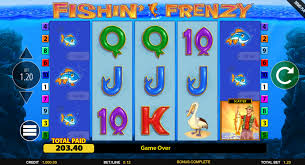
In today’s world, the term « free » resonates deeply within various aspects of life, from economics to philosophy, personal relationships to political structures. Understanding the concept of freedom is crucial in navigating our roles as individuals in society. When we think of things that are free, what comes to mind? Is it free will, free services, or perhaps a nonexistent price tag? One interesting aspect of freedom is its inherent complexity; it’s not merely about absence of cost, but also relates to the liberty and autonomy in making choices. For instance, some online gaming platforms offer experiences free from restrictions, as seen in free Fishin Frenzy not on GamStop. Such environments create a unique space where users can engage without the usual constraints.
Freedom in Philosophy
Philosophers have long debated the concept of freedom. Is it simply the absence of constraints, or does it require the presence of opportunities? Existentialists argue that freedom is about the ability to create oneself through choices, whereas determinists suggest that our choices are an illusion and heavily influenced by external factors. This discourse invites us to question our own definitions of freedom. Are we truly free if our choices are significantly affected by societal expectations, legal obligations, or economic necessities?
Political Freedom: Beyond the Surface
The idea of political freedom is often touted as one of the cornerstones of democracy. However, the reality is more nuanced. Political freedom involves not just the right to vote or express opinions, but also a citizen’s ability to participate meaningfully in governance. This means having access to information, the ability to organize, and the protection of rights without oppression. Unfortunately, many individuals around the globe continue to face restrictions; political freedom is still not a universal reality. Countries dominated by authoritarian regimes often suppress dissent and bombard their citizens with propaganda, illustrating that political freedom remains a privilege for many rather than a right.
Economic Freedom: A Double-Edged Sword
When discussing freedom, economic aspects cannot be overlooked. Economic freedom refers to the ability of individuals to control their own economic resources, engage in voluntary exchange, and pursue their own financial goals. While free markets can drive innovation and prosperity, they can also perpetuate inequality and marginalize certain groups. The challenge lies in finding a balance between free enterprise and the need for regulations that protect the most vulnerable members of society. The debate continues on how to create a system where economic ‘freedom’ does not come at the cost of social justice.
Personal Freedom: Autonomy in Choices
On a personal level, freedom can be about autonomy in making choices that define our lives. This includes everything from career paths to lifestyle choices. In a world filled with endless options, the idea of personal freedom can sometimes feel overwhelming. Information overload can lead to analysis paralysis where the abundance of choices prevents individuals from making decisions. Additionally, the pressure to conform to societal norms can stifle personal freedom, making it essential for individuals to cultivate self-awareness and confidence to pursue what truly matters to them.
Social Responsibility and Freedom
Freedom and responsibility are two sides of the same coin. While individuals are entitled to make choices that resonate with them, those choices should not infringe upon the rights and freedoms of others. This social contract is vital in fostering a society where freedoms are cherished, yet equally respected. The balance between exercising one’s freedom and considering the impact of those actions on others shapes the social fabric. Therefore, fostering a sense of social responsibility alongside personal freedom creates a healthier, more vibrant society.
Freedom in the Digital Age
The rise of the internet has transformed our understanding of freedom dramatically. The digital space offers unprecedented access to information and platforms for expression. However, it also raises critical questions about privacy, surveillance, and the commodification of personal data. In this era of connectivity, individuals must navigate the complexities of freedom in a landscape rife with both possibilities and pitfalls. The concept of ‘free’ online often translates to free access with hidden costs, such as data privacy violations and the manipulation of personal information.
The Future of Freedom
As we move forward, the discourse surrounding freedom will continue to evolve. With emerging technologies such as artificial intelligence and biotechnology, new definitions and challenges to freedom will arise. The responsibility lies with each of us to advocate for a future that respects individual freedom while ensuring societal integrity. Dialogue around freedom must include voices from diverse backgrounds to ensure that the concept truly encompasses the rights and values of all individuals.
Conclusion
In essence, the idea of “free” is a multifaceted concept that underpins many aspects of our lives. Whether we approach it from a philosophical, political, economic, or personal standpoint, the conversations around freedom compel us to think critically about our choices and their implications. As we continue to navigate our paths in an increasingly complex world, understanding the layers of freedom will empower us to make informed decisions that not only serve our interests but also uplift the community as a whole.